Productivity Systems: I Was Working 10 Hours a Day for Nothing. Here is the Fix.
As an Amazon Associate, I earn from qualifying purchases.
At 2 AM on a Tuesday, I was still staring at my calculus textbook. My eyes burned. My back ached. I'd been "studying" for 8 hours straight.
But when I looked at my notes, I realized I'd only solved 3 problems. The rest of the time? I'd scrolled TikTok, reorganized my Google Drive twice, answered 47 group chat messages, and deep-cleaned my entire dorm room.
The next morning, I failed my midterm. Not because I didn't try—I'd spent 40 hours that week "working." But I'd never actually learned the material.
Advertisement
I was busy, but I got nothing done.
I tried apps, digital planners, and complex systems, but they all required me to use my phone or computer—which led to checking notifications and getting distracted. That changed when I implemented the Getting Things Done (GTD) system with a physical file organizer, keeping my tasks organized without digital distractions.

This is my story of how I went from failing to acing my finals by doing less, not more. And the brutal wake-up call that changed everything.
My Experience: How I Failed at First
After that midterm failure, I was desperate. I decided to track every single thing I did for one week. I wanted to see where my time actually went.
The results shocked me.
| What I Thought I Did | What I Actually Did | Hours Wasted |
|---|---|---|
| "Studied for 6 hours" | Scrolled TikTok between problems | 2.5 hours |
| "Worked on my essay" | Reorganized my Google Drive | 1 hour |
| "Attended study group" | Talked about weekend plans | 1.5 hours |
| "Checked emails" | Read newsletters I never opened | 45 minutes |
Total wasted time: 5 hours and 45 minutes per day.

That's almost a full workday of fake productivity. I was exhausted, stressed, and had nothing to show for it. My grades were C's and D's. My mental health was tanking. I felt like a failure.
The worst part? I thought I was being productive. I was doing things. I was busy. But I was busy doing the wrong things.
The Old Way vs. The New Way
Here's what changed everything. I stopped doing what "productive" people told me to do and started doing what actually worked.
The Old Way (What I Was Doing Wrong)
- Waking up at 7 AM and immediately checking my phone
- Answering emails first because it felt productive
- Saying yes to everything—study groups, club meetings, favors
- Multitasking—writing while checking notifications
- Working 10-12 hours a day and feeling exhausted
- Results: C's and D's, constant stress, no free time
The New Way (What Actually Works)
- Waking up at 5:30 AM and doing my hardest task first
- Ignoring my phone until 11 AM
- Saying no to anything not on my Daily Three list
- Single-tasking—one thing at a time, fully focused
- Working 6-8 hours a day and having evenings free
- Results: A's, less stress, actual free time
The difference? I stopped confusing activity with achievement.
The Strategy: How I Fixed My Productivity
I tried everything. Time blocking. Pomodoro. Bullet journals. Nothing worked until I understood this one thing: Most of what I thought was "work" was actually busywork.
Strategy 1: The Eisenhower Matrix (My Sunday Ritual)
Every Sunday at 7 PM, I sit down with a notebook and list everything I need to do that week. Then I categorize it using the Eisenhower Matrix:
Quadrant 1 (Urgent/Important): The midterm I failed. These are crises. You can't avoid them, but if you live here, you're always putting out fires.
Quadrant 2 (Not Urgent/Important): This is where I should have been. Actually studying calculus before the midterm. Planning my essay before the deadline. This is where real progress happens.
Quadrant 3 (Urgent/Not Important): My entire life before. Group chat notifications. Emails from clubs I barely attended. "Can you help me with this?" texts at 11 PM. Classic busywork.
Quadrant 4 (Not Urgent/Not Important): TikTok. Instagram. Reorganizing my desk for the third time. Pure time-wasting.
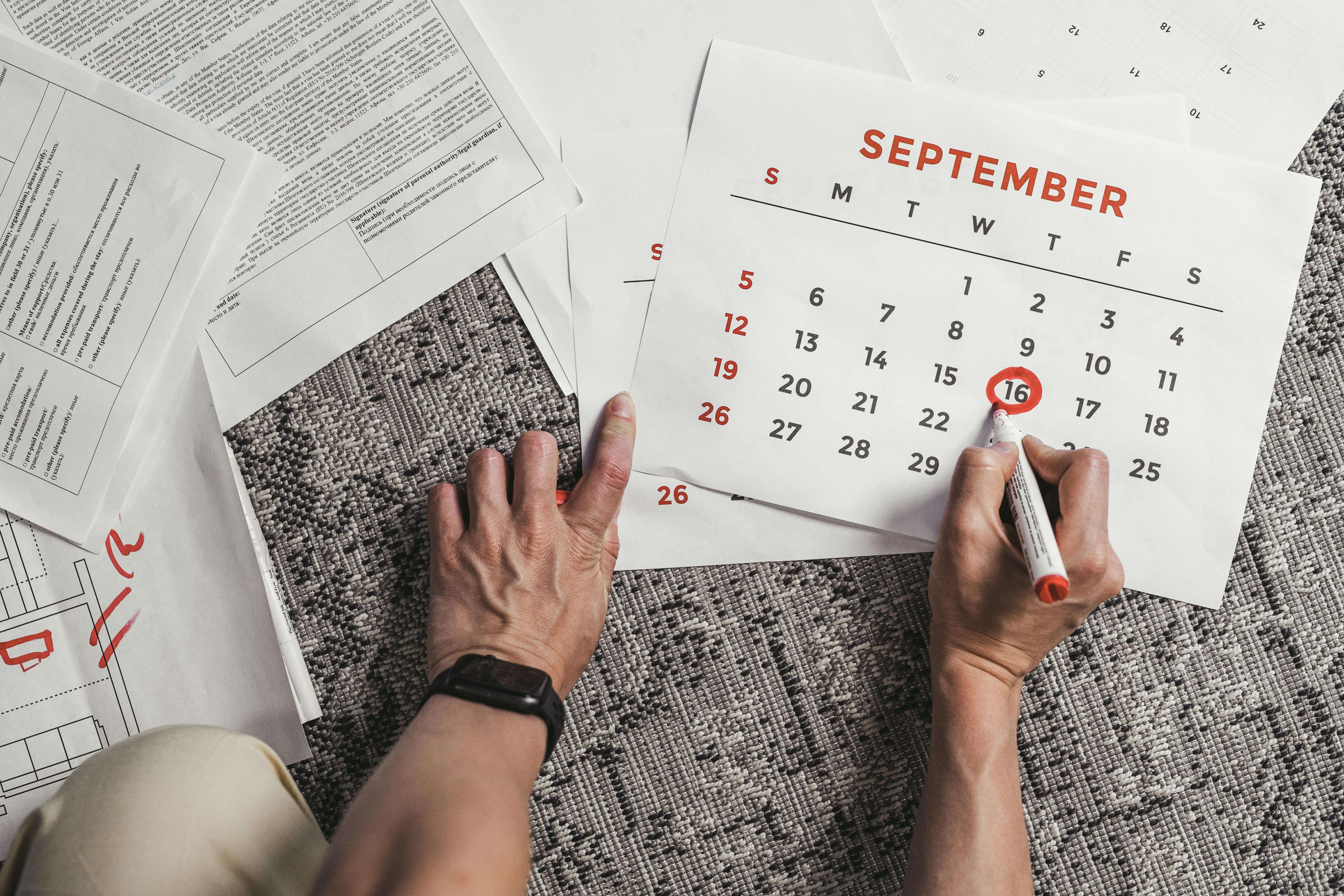
My rule: If it's not Quadrant 1 or 2, it doesn't get scheduled until everything else is done. This one change saved me 10 hours per week.
The game-changer: I use a GTD system file organizer to capture and organize all my tasks. I use this physical file organizer instead of digital apps because digital task managers require me to open my phone or computer—which leads to checking notifications and getting distracted. The GTD system (Getting Things Done by David Allen) uses a simple filing system that keeps everything organized: Inbox, Next Actions, Projects, Waiting For, and Someday/Maybe. The physical act of writing tasks and filing them creates a clear mental separation that digital apps can't match. Everything has a place, and my mind stays clear because I know nothing is forgotten.
Strategy 2: Killing Multitasking (The 25-Minute Rule)
I used to think multitasking made me efficient. I'd write a paragraph, check my phone, answer a text, go back to writing. I felt like I was doing everything at once.
The brutal truth: Every time I switched tasks, it took me 23 minutes to get back into deep focus. I timed it.

The math that changed everything: If I checked my phone 10 times during a 3-hour study session, I lost 230 minutes of productive time. That's why my "6-hour study session" felt like I accomplished nothing.
My solution: I use the Pomodoro Technique now. Here's exactly what I do:
- Put my phone in another room (I literally walk it to the kitchen)
- Set a timer for 25 minutes
- Work on ONE thing—no switching, no checking, no distractions
- Take a 5-minute break to check messages, stretch, get water
- Repeat
My productivity tripled. No exaggeration. I went from solving 3 calculus problems in 8 hours to solving 12 problems in 2 hours.
Strategy 3: Eating the Frog First (My Morning Routine)
I'm a recovering "easy task addict." I used to start my day by answering emails, organizing my notes, making to-do lists. It felt productive. I got that dopamine hit from checking things off.
But by 2 PM, I was exhausted and hadn't touched my actual work. I'd done 20 small tasks and accomplished nothing meaningful.
The trap: Easy tasks give you the illusion of progress without moving you forward. I could check off 20 small things and still fail my exam.
The fix: I started "eating the frog." Every morning at 5:30 AM, I tackle my hardest, highest-impact task first. When my willpower is at its peak (usually 9-11 AM), I do calculus problems or write essays.
My exact morning routine:
- 5:30 AM: Wake up, no phone
- 5:45 AM: Hardest task of the day (calculus, essay writing, etc.)
- 7:30 AM: Breakfast
- 8:00 AM: Second important task
- 11:00 AM: Check phone and emails for the first time
Emails can wait until 2 PM. They're not going anywhere. But my peak focus hours? Those are gone if I waste them on busywork.
Strategy 4: The Daily Three System
Instead of a massive to-do list that stressed me out, I now pick three outcomes that would make the day a success.
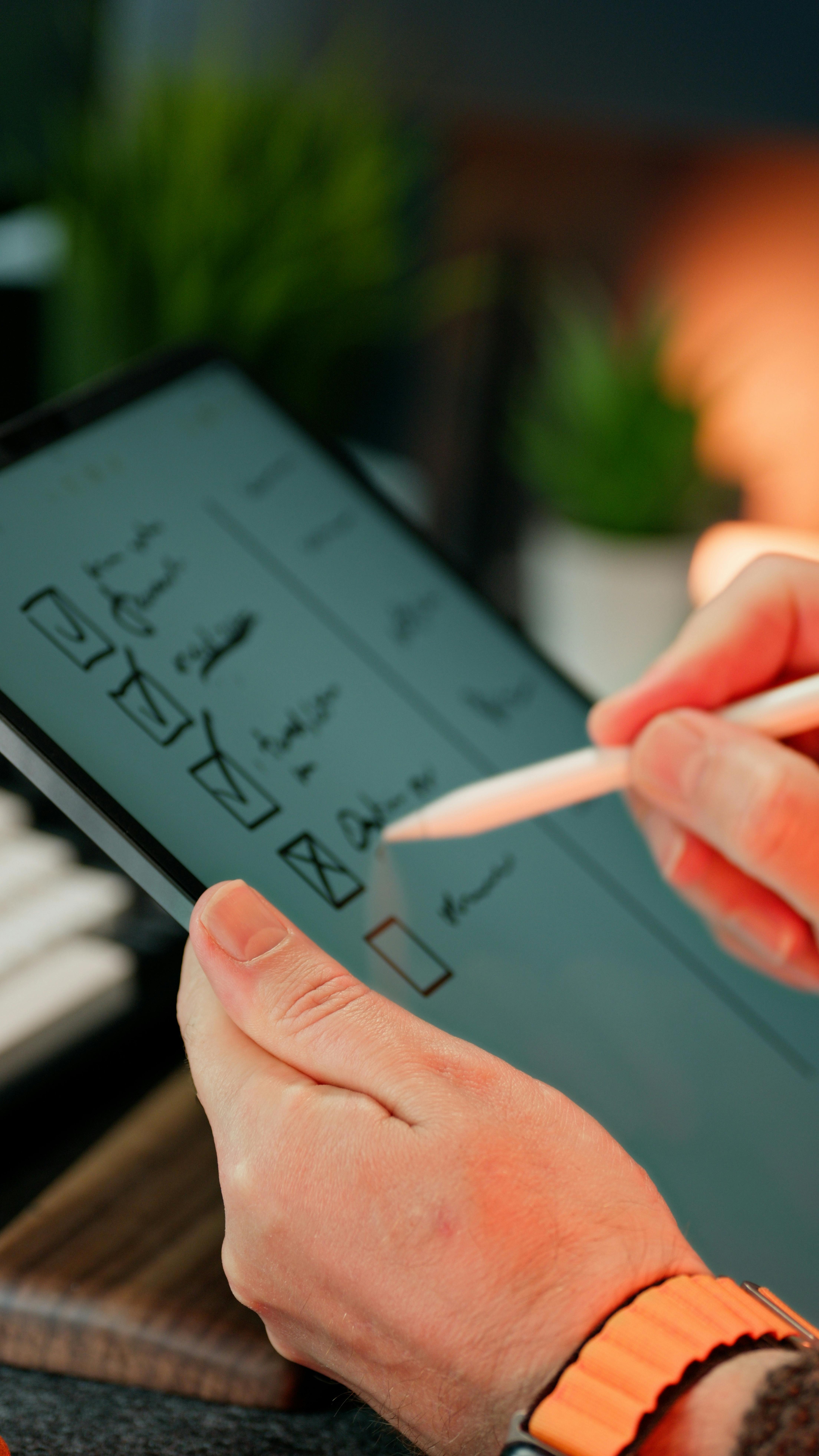
Here's how it works:
Every morning, I write down three specific outcomes (not tasks). They must be:
- Specific: "Write 800 words" not "work on essay"
- Measurable: "Complete calculus problem set" not "study calculus"
- Time-bound: "Review biology notes for 30 minutes" not "study biology"
Example from last week:
- ✅ Complete calculus problem set (all 12 problems)
- ✅ Write first draft of history essay (800 words minimum)
- ✅ Review biology notes for 30 minutes (chapters 5-7)
If I finish these three things, the day is a win. Everything else is bonus.
Why this works: It forces me to focus on outcomes, not activities. "Work on essay" is vague and I can fake it. "Write 800 words" is specific and I can't lie to myself.
Strategy 5: The "No" Audit
I reviewed my calendar from the week I failed my midterm. Here's what I found:
- 3 study group meetings where we didn't actually study (we talked about weekend plans)
- 2 club meetings I didn't need to attend (I was just a member, not on the board)
- 5 "quick" favors for friends that took 2-3 hours each
- Countless group chat conversations about nothing
My new rule: If it's not on my Daily Three list, I ask myself: "Will this directly help me pass my classes or reach my goals?"
If the answer is no, I say no. Politely, but firmly.
The result: I gained 12 hours per week. I used that time to actually study, and my grades improved from C's to A's. I went from a 2.8 GPA to a 3.9 GPA in one semester.
My Results: What Actually Changed
After implementing these strategies, here's what happened:
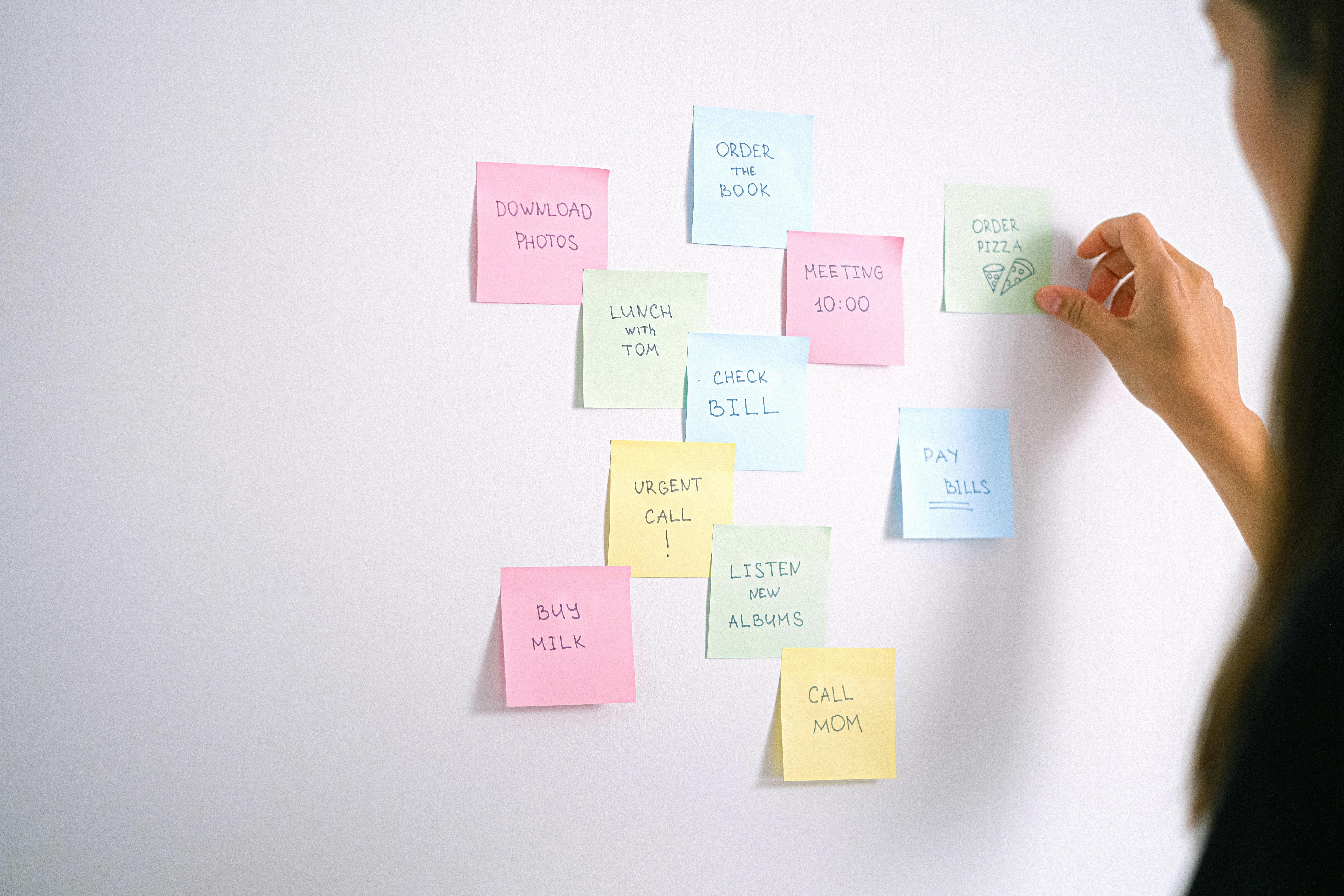
My exact results:
- Work hours: Went from 40 hours/week to 25 hours/week (saved 15 hours)
- Grades: Went from C's and D's to A's (GPA: 2.8 to 3.9)
- Stress: Went from constant anxiety to manageable stress
- Free time: Went from zero to 3-4 hours per evening
- Sleep: Went from 5-6 hours to 7-8 hours per night
- Mental health: Went from burnout to actually enjoying college
The numbers that matter:
- Calculus homework: 5 hours → 2 hours (60% faster)
- Essay writing: 3 days → 1 focused session (75% faster)
- Study group meetings: 3 per week → 1 per week (saved 4 hours)
- Phone checks during study: 47 per day → 3 per day (94% reduction)
I wasn't working less—I was working better.
Advertisement
My Current System (What Actually Works)
Here's my exact routine that took me from failing to acing:
Sunday Evening (7 PM):
- Review the week ahead
- Process my GTD inbox (capture everything from the week)
- Pick my Daily Three for Monday
- Block time on my calendar for important work (not just "study")
- Categorize tasks using the Eisenhower Matrix
- File everything in my GTD system (Next Actions, Projects, Waiting For)
My setup: My GTD file organizer sits on my desk. Every task, idea, or commitment gets captured and filed immediately. There's no app to open, no phone to unlock, no digital rabbit hole to fall into. Just a simple, physical system that keeps my mind clear and my tasks organized. The GTD methodology ensures nothing falls through the cracks while keeping me focused on what actually matters.
Monday-Friday:
- 5:30 AM: Wake up, no phone
- 5:45-7:30 AM: Hardest task (no phone, no distractions)
- 7:30-8:00 AM: Breakfast
- 8:00-11:00 AM: Second important task
- 11:00 AM: First phone check of the day
- 1:00-3:00 PM: Third important task or meetings
- 3:00-5:00 PM: Emails, easy tasks, admin work
- 5:00 PM: Done. Free time.
The key: Important work gets scheduled first. Everything else fits around it.

Action Plan: Try This Tomorrow
One simple step to start:
Tomorrow morning, don't open your email or phone for the first 2 hours. Use that time for your hardest, most important task. That's it.
Just one day. See how it feels. I bet you'll get more done in those 2 hours than you usually do in 6.
Then, if it works, try it again the next day. And the next.
That's how I started. One day at a time. One change at a time.
The brutal truth: Productivity isn't about doing more. It's about doing less, but better. I went from 40 hours of fake work to 25 hours of real work. I went from failing to acing. I went from exhausted and anxious to actually having free time.
The difference wasn't working harder. It was working smarter.
Stop reacting to every notification. Stop doing easy tasks to feel productive. Start focusing on what actually matters.
You don't need a complicated system to be productive. You just need a way to capture and organize your tasks without digital distractions. If you find yourself constantly checking your phone or getting overwhelmed by digital task managers, give the GTD system a try. It's the best investment I've made for my productivity and mental clarity.
Get the exact GTD system file organizer I use here — it's the physical system that helped me go from 40 hours of fake work to 25 hours of real, focused work.
What's the one "busy" activity that makes you feel productive but actually wastes your time? I'd love to hear your story. We're all in this together.
Thanks for reading! If you found this helpful, check out more articles on our blog page.