Social Media Detox: I Scrolled Until 11 PM Every Night. What the Internet Was Doing to My Brain.
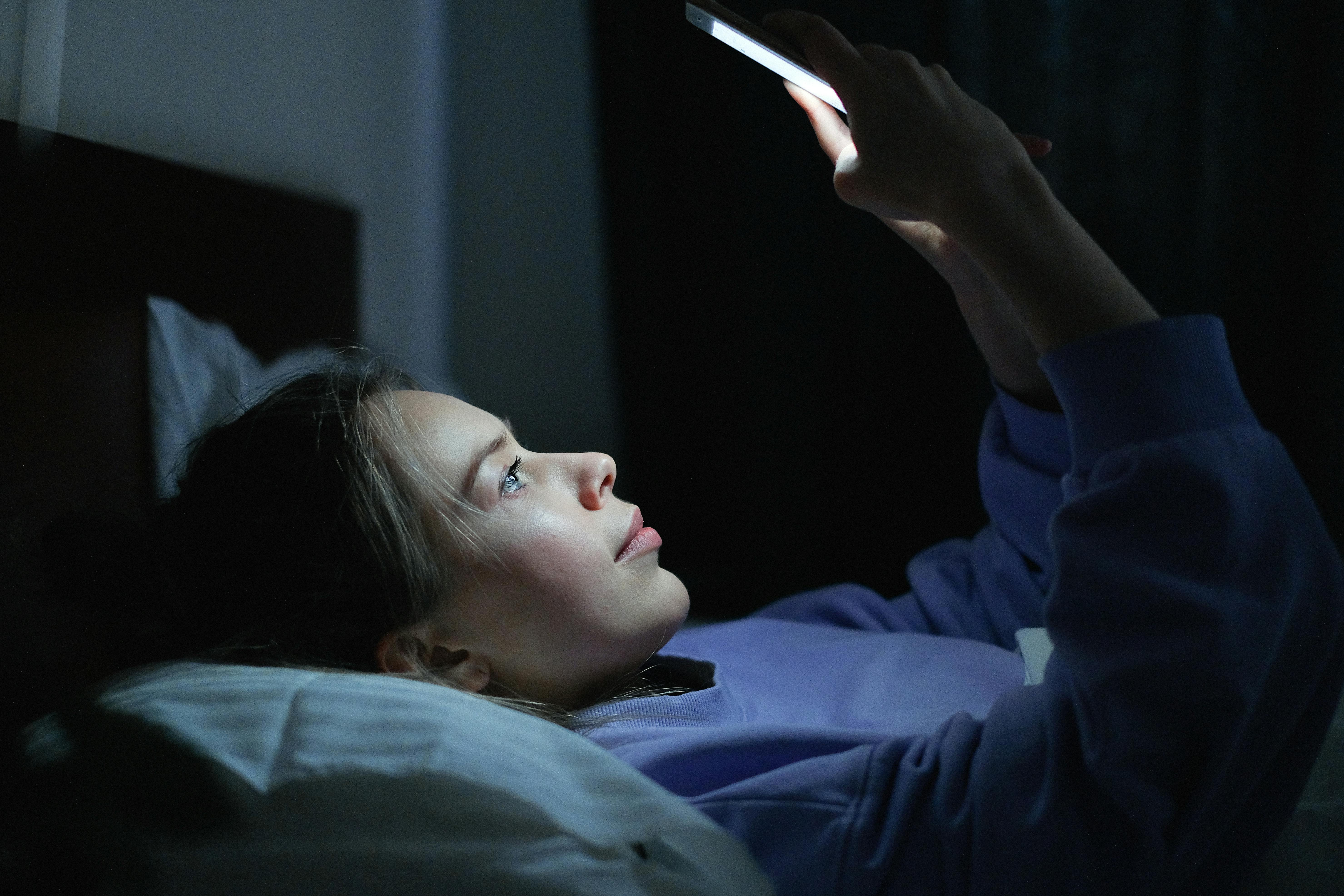
At 11 PM, I was still scrolling. I'd been "relaxing" for 3 hours. My eyes burned. My brain wouldn't shut off. I couldn't sleep, but I couldn't stop scrolling either.
I thought I was in control of my internet use. I thought I was just "staying informed" and "staying connected." But the internet had changed my brain, my habits, and my life in ways I never realized.
Last semester, I did a 7-day digital detox. I disconnected from everything—social media, email, news, entertainment. What I discovered shocked me.
I went from checking my phone 50+ times per day to 2 times. I went from 10-minute focus sessions to 2+ hour focus sessions. I went from anxious and distracted to calm and present.
Advertisement
Here's what I learned:
My Experience: The Mistake I Made
The Old Way (Constantly Connected):
- Checked phone 50+ times per day
- Scrolled social media for 3+ hours daily
- Felt anxious when disconnected
- Couldn't focus for more than 10 minutes
- Sleep quality: Poor (5-6 hours)
- Mental health: Anxious and overwhelmed
The New Way (Intentionally Connected):
- Checked phone 2x per day (12:30 PM and 5:30 PM)
- No social media scrolling
- Felt calm and present
- Could focus for 2+ hours
- Sleep quality: Good (7-8 hours)
- Mental health: Calm and balanced
The difference: I realized how much the internet had changed me. I stopped being constantly connected and started being intentionally connected.
How the Internet Is Quietly Changing Daily Life
1. Our Attention Spans Are Shrinking
The problem: The internet trains us to consume information in bite-sized chunks. Our attention spans are shrinking.
My experience: I used to be able to read for hours. Now I can barely focus for 10 minutes. I thought I was just "busy," but I was actually training my brain to be distracted.
The science: Studies show that constant digital stimulation reduces our ability to focus. We're training our brains to seek constant novelty, making deep work nearly impossible.
The fix: I started practicing deep work. I put my phone away, eliminated distractions, and focused on one task for 90 minutes. My attention span improved.
2. Our Memory Is Being Outsourced
The problem: We're outsourcing our memory to the internet. We don't remember phone numbers, directions, or facts—we just Google them.
My experience: I used to remember everything. Now I can't remember my best friend's phone number. I thought I was just "busy," but I was actually outsourcing my memory.
The science: When we rely on external memory (the internet), our internal memory weakens. We're not exercising our memory muscles, so they atrophy.
The fix: I started practicing memory exercises. I memorized phone numbers, directions, and facts. My memory improved, and I felt more mentally sharp.
3. Our Social Skills Are Changing
The problem: We're communicating more online and less in person. Our social skills are changing—and not always for the better.
My experience: I used to be comfortable in social situations. Now I feel anxious. I thought I was just "introverted," but I was actually losing my social skills.
The science: Face-to-face communication requires different skills than online communication. When we communicate mostly online, we lose the ability to read body language, tone, and social cues.
The fix: I started prioritizing in-person social interactions. I joined clubs, attended events, and had face-to-face conversations. My social skills improved.
4. Our Sleep Is Suffering
The problem: The internet is destroying our sleep. Blue light, constant stimulation, and 24/7 connectivity are keeping us awake.
My experience: I used to sleep 8 hours per night. Now I sleep 5-6 hours. I thought I was just "busy," but I was actually destroying my sleep with screens.
The science: Blue light from screens suppresses melatonin, the hormone that helps us sleep. Constant stimulation keeps our brains active, making it harder to wind down.
The fix: I set a digital sunset 2 hours before bed. I put my phone in another room. My sleep improved dramatically.
5. Our Mental Health Is Being Impacted
The problem: The internet is impacting our mental health. Social comparison, information overload, and constant connectivity are increasing anxiety and depression.
My experience: I used to feel calm and content. Now I feel anxious and overwhelmed. I thought I was just "stressed," but I was actually being impacted by constant digital stimulation.
The science: Social media increases social comparison, which leads to anxiety and depression. Information overload exhausts our cognitive resources. Constant connectivity prevents us from truly resting.
The fix: I limited my social media use to 30 minutes per day. I set boundaries around information consumption. I disconnected regularly. My mental health improved.
The Hidden Costs of Constant Connectivity
1. Decision Fatigue
The problem: The internet gives us infinite choices. Every decision—what to watch, what to read, what to buy—drains our mental energy.
My experience: I used to make decisions easily. Now I'm paralyzed by choice. I thought I was just "indecisive," but I was actually experiencing decision fatigue.
The fix: I limited my options. I created routines and defaults. I reduced decision-making, and my mental energy improved.
2. FOMO (Fear of Missing Out)
The problem: The internet shows us everything we're missing. We're constantly comparing our lives to others' highlight reels.
My experience: I used to be content with my life. Now I feel like I'm missing out. I thought I was just "ambitious," but I was actually experiencing FOMO.
The fix: I stopped comparing myself to others. I focused on my own goals and progress. I felt more content and less anxious.
3. Information Overload
The problem: We're consuming more information than our brains can process. We're drowning in data but starving for wisdom.
My experience: I used to feel informed. Now I feel overwhelmed. I thought I was just "staying informed," but I was actually experiencing information overload.
The fix: I curated my information sources. I limited news consumption. I focused on quality over quantity. I felt more informed and less overwhelmed.
How to Navigate the Digital Age Intentionally
1. Set Digital Boundaries
My system: I set a digital sunset 2 hours before bed. I check my phone 2x per day instead of 50+ times. I have phone-free zones (meals, study sessions).
My experience: Digital boundaries helped me reclaim my time and attention. I felt more present and less distracted.
2. Practice Digital Minimalism
My system: I deleted 30+ unused apps. I turned off non-human notifications. I simplified my digital life.
My experience: Digital minimalism reduced my cognitive load. I felt calmer and more focused.
Advertisement
3. Prioritize Real-World Connections
My system: I prioritize in-person social interactions. I join clubs, attend events, and have face-to-face conversations.
My experience: Real-world connections improved my social skills and mental health. I felt more connected and less isolated.
4. Practice Deep Work
My system: I block 2-3 hours daily for deep work. I eliminate distractions, put my phone away, and focus on one task.
My experience: Deep work improved my productivity and attention span. I accomplished more in less time.
My Current Digital Life
Daily:
- Digital sunset 2 hours before bed
- Phone checks 2x per day (12:30 PM, 5:30 PM)
- Deep work blocks (phone in another room)
- Phone-free meals and study sessions
Weekly:
- Digital detox day (Sundays)
- Real-world social interactions
- Curated information consumption
Results:
- Better focus and attention
- Improved sleep and mental health
- More present and less distracted
- Better social skills and connections
Final Thoughts
The internet is quietly changing daily life. Most of us don't even notice it happening.
I went from constantly connected to intentionally connected. I went from distracted to focused. I went from anxious to calm.
You don't have to disconnect completely. You just need to be intentional about how you use the internet.
Action Plan
This week: Set one digital boundary. Maybe a digital sunset or phone-free meals.
This month: Practice digital minimalism. Delete unused apps, turn off notifications, simplify your digital life.
Question for readers: How has the internet changed your daily life? Share it in the comments, and let's navigate the digital age together!
Thanks for reading! If you found this helpful, check out more articles on our blog page.