Goal Setting: I Tried to Transform My Life in 3 Days. Why "Tiny Habits" Build More Wealth.
Last January, I made a New Year's resolution: "I'm going to completely transform my life." I was going to wake up at 5 AM, work out for an hour, meditate for 30 minutes, read for an hour, and eat perfectly.
I lasted 3 days.
I tried to overhaul my entire life, failed repeatedly, and felt like a failure. I thought I lacked willpower. Turns out, I was just trying to change too much at once.
Then I discovered The Compound Effect—a series of tiny, consistent habits that create massive results over time. I started with tiny changes—changes so small they felt ridiculous.
Advertisement
Six months later, my life had transformed. Not from one big change, but from dozens of tiny ones. I went from a 2.8 GPA to a 3.6 GPA. I went from exhausted to energized. I went from stressed to calm.
My Experience: The Mistake I Made
The Old Way (Trying to Overhaul Everything):
- Wanted to be organized, fit, productive, and calm
- Tried to change everything at once (5 AM wake-up, 1-hour workout, 30-minute meditation)
- Failed repeatedly (lasted 3 days)
- Felt like a failure
- GPA: 2.8
- Exhausted and stressed
The New Way (Micro-Habits):
- Started with tiny changes (2-minute habits)
- Built consistency (did them every day)
- Saw massive results (compounded over time)
- Felt accomplished
- GPA: 3.6
- Energized and calm
The difference: Small changes, not big overhauls. I stopped trying to change everything and started changing 1% per day.
Why Big Resolutions Fail (And Small Habits Win)
| Feature | The "Big Overhaul" | The "Micro-Habit" |
|---|---|---|
| Brain Response | Amygdala triggers "Fear/Resistance" | Brain barely notices the change |
| Willpower Required | High (Drains quickly) | Low (Sustainable long-term) |
| Sustainability | Usually fails by day 3 | Becomes automatic in 21–66 days |
| Result | Burnout & Frustration | Compounded Growth |
The Takeaway: Small changes bypass your brain's natural resistance, allowing neural pathways to form without exhaustion, making habits stick.
My experience: Big resolutions triggered fear and resistance. Micro-habits slipped in quietly and became automatic.
5 Small Changes for Massive Results
1. The "Immediate Win": Make Your Bed
Action: Takes less than 2 minutes.
Benefit: Provides a psychological win first thing, triggering dopamine, and sets a tone of order for the day.
My experience: I started making my bed every morning. It took 90 seconds. But it gave me an immediate win and set the tone for the day. I went from waking up stressed to waking up accomplished.
The result: Better mood, more productivity, sense of control.
2. The "Digital Sunset": Phone-Free Final Hour
Action: Put your phone away 60 minutes before bed.
Science: Screens emit blue light that suppresses melatonin. Cutting the cord early allows deep REM sleep and higher cognitive function the next morning.
My experience: I started putting my phone away 60 minutes before bed. I read a book instead. My sleep improved dramatically. I fell asleep faster, slept deeper, and woke up more rested.
The result: Better sleep, more energy, improved focus.
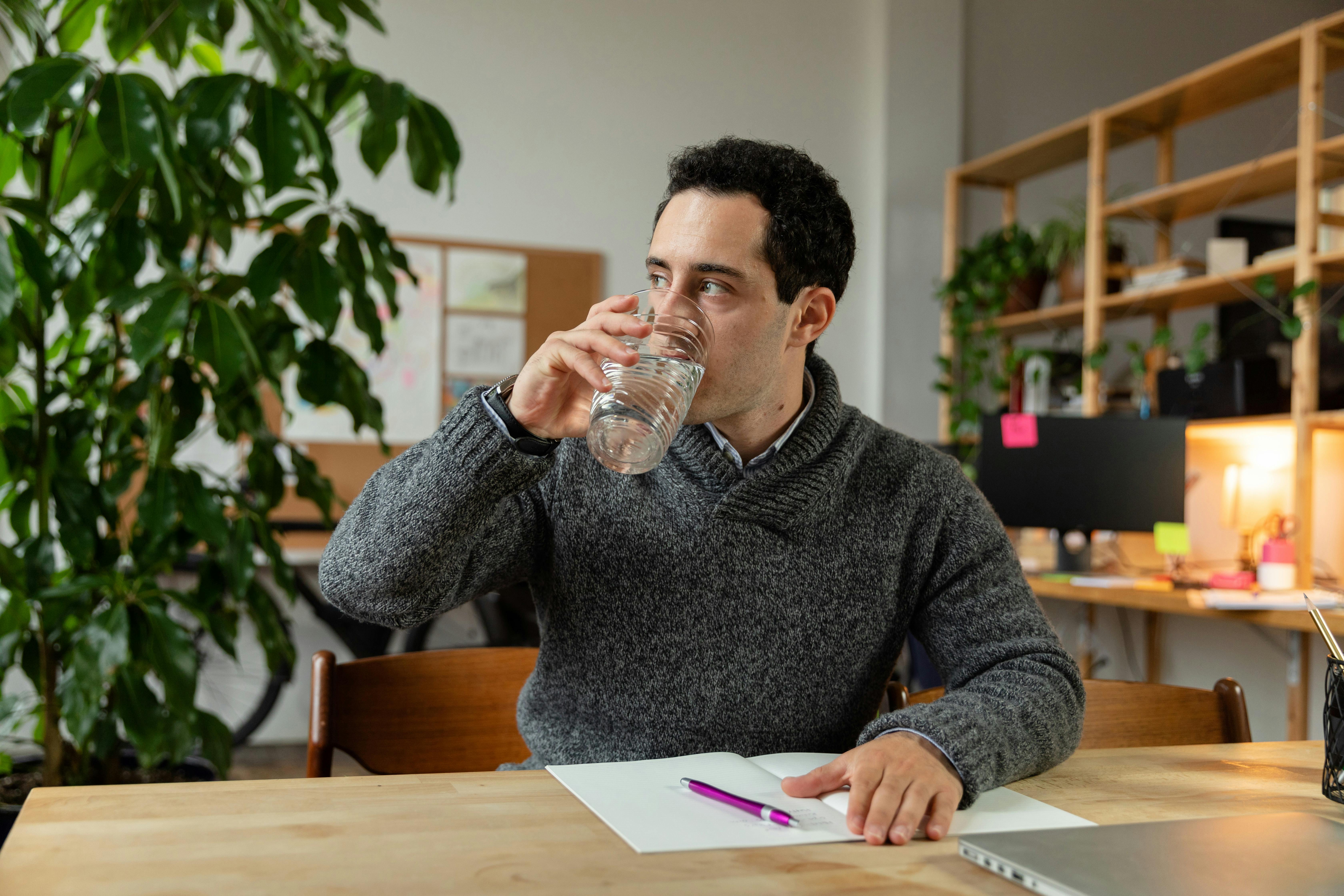
3. "Bio-Priming": Water Before Coffee
Action: Drink 16oz (≈500ml) of water immediately after waking.
Result: Rehydrates the brain, flushes toxins, increases alertness, and kickstarts metabolism more effectively than caffeine alone.
My experience: I started drinking water before coffee. I felt more alert, had more energy, and didn't need as much caffeine. It's now automatic.
The result: Better energy, less caffeine dependence, improved focus.
4. "Cognitive Reframing": The Gratitude Three
Action: Every night, write down three specific things you are grateful for.
Why It Works: Trains the Reticular Activating System (RAS)—the brain's filter—to notice opportunities and positives rather than scanning for problems.
My experience: I started writing 3 things I'm grateful for every night. At first, it felt forced. But after 2 weeks, I started noticing more positives throughout the day. My mood improved, and I felt more optimistic.
The result: Better mood, more optimism, improved mental health.
5. "Eat the Frog": The Hardest Task First
Action: Identify your most dreaded task and do it first.
Benefit: Eliminates Chronic Procrastination Anxiety, making the rest of your day feel lighter and more productive.
My experience: I started doing my hardest task first thing in the morning. I used to procrastinate on it all day, draining my mental energy. Now I do it first, and the rest of the day feels easy.
The result: Less procrastination, more confidence, better productivity.
How to Make These Changes Stick
The 2-Minute Rule
The rule: If a new habit takes less than 2 minutes, do it now. This removes barriers to entry.
My system: Instead of "read for an hour," I just "read one page." Once I start, I often read more. But the 2-minute rule gets me started.
Example: Instead of "read for an hour," just "read one page."
My experience: The 2-minute rule removes resistance. I start with tiny actions, and they often lead to bigger ones.
Habit Stacking
The rule: The most effective way to build a new habit is to "anchor" it to an existing one.
The Formula: After I [Current Habit], I will [New Habit].
My examples:
- After I brush my teeth (Old Habit), I will drink a glass of water (New Habit).
- After I sit at my desk (Old Habit), I will write one sentence (New Habit).
- After dinner (Old Habit), I will take a 5-minute walk (New Habit).
My experience: Habit stacking makes new habits automatic. I attach them to existing habits, and they stick without willpower.
My Current Micro-Habit System
Morning:
Advertisement
- Wake up → Drink water
- Brush teeth → Make bed
- Sit at desk → Write one sentence
Evening:
- After dinner → 5-minute walk
- Before bed → Write 3 gratitudes
- 60 min before bed → Put phone away
Results:
- More energy
- Better focus
- Improved sleep
- Better mood
- More productivity
The Compound Effect in Action
Month 1: Tiny habits felt silly, but I stuck with them.
Month 2: Habits started feeling automatic. I saw small improvements.
Month 3: Improvements became noticeable. Energy increased, focus improved.
Month 6: Life transformed. Not from one big change, but from dozens of tiny ones.
The math: 1.01^180 ≈ 6.05
After 6 months of 1% daily improvements, I was 6x better. Not from working harder, but from being consistent with tiny habits.
Final Thoughts
You don't need a life overhaul. You need consistency in small actions.
I went from trying to change everything to changing 1% per day. I went from failing repeatedly to building lasting habits. I went from stressed and overwhelmed to calm and in control.
Over months and years, these tiny ripples become waves. Life changes not because of one giant leap, but because of a thousand small steps in the same direction.
Action Plan
- Pick one habit from this list.
- Commit to it for 7 days.
- Notice the shift in your energy, focus, and clarity.
Question for Readers: Which of these 5 habits feels easiest for you to start tomorrow? Share it in the comments, and let's build habits together.
Thanks for reading! If you found this helpful, check out more articles on our blog page.