Learning New Skills: I Learned Spanish and Coding in 6 Months. The 5 Apps I Used for 15 Minutes a Day.
As an Amazon Associate, I earn from qualifying purchases.
Last year, I decided I wanted to learn Spanish, improve my coding skills, and finally understand calculus—all while juggling college classes and a part-time job. I thought I'd need to quit everything and enroll in expensive courses.
I tried textbooks, online courses, and tutors. Nothing stuck. I was spending hours studying but making no progress. I thought I just wasn't smart enough.
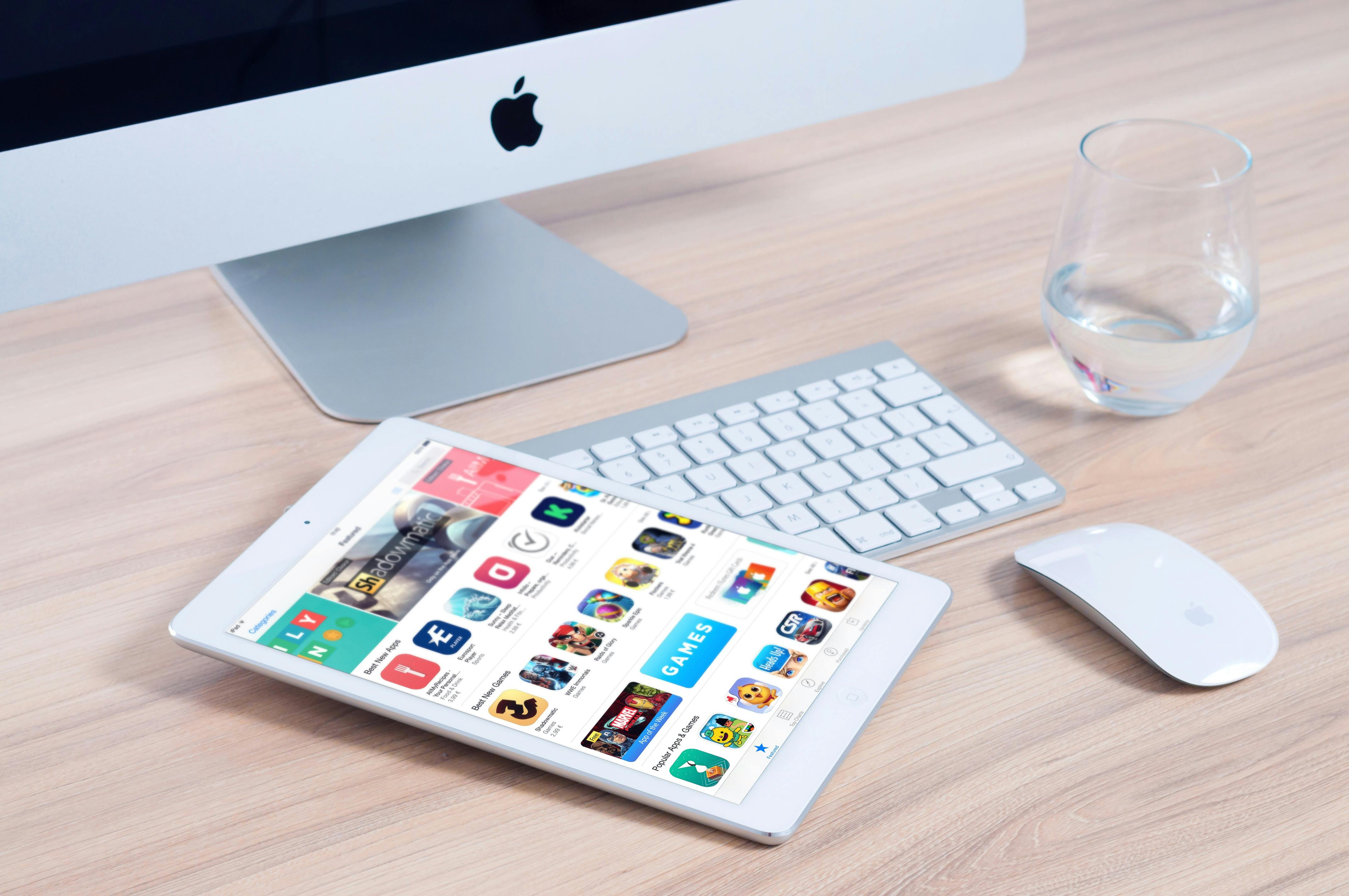
Instead, I spent 15 minutes a day using learning apps with a tablet stand to keep my device at eye level. Six months later, I was having conversations in Spanish, building simple websites, and actually understanding derivatives. For iPad users, an iPad holder works great for hands-free learning.
Advertisement
The secret wasn't working harder. It was using apps designed around how your brain actually learns.
I went from zero Spanish to conversational. I went from failing calculus to acing it. I went from no coding skills to building websites.
Here's what worked for me, and how you can use these same tools to master any skill.
My 6-Month Learning Experiment
The challenge: Learn 3 new skills in 6 months with only 15 minutes per day.
The apps I used:
- Duolingo for Spanish (5 min/day)
- Codecademy for web development (5 min/day)
- Khan Academy for calculus review (5 min/day)
The results:
- Spanish: Went from zero to conversational (can order food, have basic conversations)
- Coding: Built 3 simple websites from scratch
- Calculus: Improved my grade from C to A
The key insight: Consistency beats intensity. 15 minutes daily for 6 months = 45 hours of focused learning. That's more than most semester-long courses.
Quick Comparison: Top Learning Apps at a Glance
| App | Best For | Learning Method | Price | My Rating |
|---|---|---|---|---|
| Duolingo | Languages | Gamification & Spaced Repetition | Free / Premium | ⭐⭐⭐⭐⭐ |
| Khan Academy | Academic Subjects | Mastery Learning | 100% Free | ⭐⭐⭐⭐⭐ |
| Skillshare | Creative Skills | Project-Based Learning | Subscription | ⭐⭐⭐⭐ |
| Codecademy | Programming | Interactive Coding | Free / Pro | ⭐⭐⭐⭐⭐ |
| Anki | Memorization | Spaced Repetition | Free (Desktop/Android) | ⭐⭐⭐⭐ |
1. Duolingo: Learn Languages the Fun Way
My experience: I tried learning Spanish from textbooks in high school and failed. With Duolingo, I actually stuck with it because it felt like a game, not homework.
How it works: Duolingo uses Spaced Repetition Systems (SRS). Words and phrases you struggle with appear at the perfect time to help you remember them. The app tracks what you know and what you're forgetting, then shows you the right content at the right time.
Why it works:
- Lessons are small (5–10 minutes), so it's easy to fit into a busy day
- Gamification keeps you motivated (streaks, XP, leaderboards)
- Speaking exercises activate different parts of your brain than just reading
My routine: Every morning while drinking coffee, I do one Duolingo lesson. Takes 5 minutes. I've maintained a 180-day streak, and I can now have basic conversations in Spanish. When I'm using my tablet for learning apps, I use a tablet stand to keep it at eye level, reducing neck strain. For iPad users, an iPad holder works great for hands-free learning during video lessons.
Pro tip: Use the microphone feature to practice pronunciation. Speaking the words activates different parts of your brain than just reading them. I went from zero pronunciation skills to being understood by native speakers.
The cost: Free with ads, or $7/month for Premium (removes ads, unlimited mistakes). I started free and upgraded after 2 months because I was using it daily.
2. Khan Academy: Free, High-Quality Learning for Everyone
My story: I was struggling with calculus in college. My professor moved too fast, and I couldn't afford a tutor. I found Khan Academy and used it to review concepts I missed in class.
How it works: Khan Academy offers free lessons on almost every subject: math, science, history, and coding. The platform uses Mastery Learning—you "master" a concept before moving to the next. You get immediate feedback on exercises, preventing gaps in understanding.
Why it works:
- Step-by-step hints make complex topics easier to grasp
- Practice problems with instant feedback
- Video explanations you can rewatch as many times as needed
My experience: I used Khan Academy to brush up on algebra in just a few weeks. The step-by-step hints made concepts click that my professor's lectures never did. I improved my calculus grade from a C to an A.
Pro tip: Track your progress using their dashboards. Seeing your progress bars fill up is surprisingly motivating. I set a goal to complete 80% of the calculus course, and the visual progress kept me going.
The cost: 100% free. No ads, no subscriptions. It's genuinely free education.
3. Skillshare: Learn by Doing
My experiment: I wanted to learn graphic design but didn't want to spend thousands on a design school. I tried Skillshare and completed a 2-week design course.
How it works: Skillshare is perfect for creative and practical skills, like graphic design, UI/UX, and photography. The platform uses Project-Based Learning—you don't just watch videos, you create real projects, which improves memory and understanding.
Why it works: Creating projects while learning helps you retain information better than passive watching. I tried a small design project and realized I retained the concepts better than from watching YouTube tutorials.
My results: After one Skillshare course, I redesigned my resume and got compliments from professors. The project-based approach made the skills stick.
Best for: Visual learners who want to build a portfolio while learning.
The cost: $32/month or $168/year. They often have free trials. I used a 2-month free trial to test it, then subscribed because I was using it weekly.
4. Codecademy: Learn Coding Interactively
My journey: I wanted to learn web development but had zero coding experience. I tried reading books and watching YouTube, but nothing stuck until I tried Codecademy.
How it works: Codecademy puts you in a live coding environment from day one. You learn by doing, not just reading. The platform uses Active Recall—you constantly retrieve knowledge by writing code and solving problems.
Why it works: Seeing your code run gives instant feedback and motivation. I started with the Web Development path and was building simple websites within hours.
My experience: I built my first website after 2 weeks of daily practice. The interactive exercises made concepts click in a way that reading never did. I now have 3 websites in my portfolio, all built using skills from Codecademy.
Beginner tip: Start small. Pick one career path to avoid feeling overwhelmed. I chose "Web Development" and stuck with it instead of jumping between Python, JavaScript, and other languages.
The cost: Free for basic courses, $20/month for Pro (includes projects, certificates, and career paths). I started free and upgraded after completing the free HTML/CSS course.
5. Anki: The Ultimate Memory Hack
My discovery: I was struggling to memorize vocabulary for my Spanish class and medical terminology for biology. A friend recommended Anki, and it changed everything.
How it works: Anki is a flashcard app that uses Spaced Repetition to help you remember anything—from vocabulary to medical terms. Cards appear just before you forget them, which strengthens memory retention.
The science: Spaced Repetition is proven to be the most effective memorization method. Anki uses an algorithm to show you cards at the optimal time for retention.
My experience: I review 10–15 cards daily, and I can recall facts months later without effort. I used it to memorize 500 Spanish words in 3 months, and I still remember them 6 months later.
Pro tip: Use "Shared Decks" for common topics instead of creating everything from scratch. I downloaded a Spanish vocabulary deck with 2,000 words instead of creating my own, saving hours of work.
The cost: Free for desktop and Android. $25 one-time purchase for iOS. I use the free desktop version and it's all I need.
3 Strategies That Made These Apps Work for Me
1. Habit Stacking
My system: Link learning to an existing habit. I do Duolingo while my coffee brews. I do Khan Academy right after my morning workout. I do Codecademy during my lunch break.
Why it works: You don't have to remember to do it—it's attached to something you already do. I've maintained my Duolingo streak for 180 days because it's part of my coffee routine.
2. Focus on the Core 20%
My approach: Concentrate on the most important words, coding concepts, or skills first. In Spanish, I focused on the 200 most common words instead of trying to learn everything. In coding, I mastered HTML/CSS before moving to JavaScript.
The result: I made faster progress because I wasn't overwhelmed. Once I had the basics down, advanced concepts came easier.
Advertisement
3. Teach What You Learn
My method: After each learning session, I explain what I learned to someone else (or just talk to myself). If I can teach it, I've learned it.
Example: After learning about CSS flexbox on Codecademy, I explained it to my roommate. The act of explaining helped me understand it better.
My Current Learning Routine
Morning (5 minutes):
- Duolingo Spanish lesson while coffee brews
Lunch break (5 minutes):
- Codecademy coding exercise
Evening (5 minutes):
- Anki flashcard review
Total: 15 minutes per day
The results after 6 months:
- Spanish: Conversational level
- Coding: Built 3 websites
- Calculus: Improved grade from C to A
Final Thoughts
The secret to learning faster isn't intelligence—it's the right tools + consistent habits.
I went from zero Spanish to conversational in 6 months. I went from zero coding experience to building websites. I went from failing calculus to acing it.
All with 15 minutes per day.
Pick one app. Commit to daily practice. Focus on one skill at a time. Even 10 minutes a day adds up. Over weeks, you'll be amazed at how much you can achieve.
Action Plan
This week:
- Pick one skill you want to learn
- Choose one app from this list
- Commit to 10 minutes daily for 7 days
- Track your progress
Get the exact tablet stand I use here. Get the exact iPad holder I use here.
Question for readers: What skill do you want to learn? Share it in the comments, and let's find the perfect app to get you started.
Thanks for reading! If you found this helpful, check out more articles on our blog page.